 Employee Wellness
Preventing Workplace Burnout: Moving from Individual Resilience to Systemic Fixes
Why self-care apps fail when workloads and cultures remain unaddressed, and how industrial psychologists diagnose exhaustion.

Explore how people think, feel, and behave at work. Learn evidence-based principles to improve workplace well-being, leadership, performance, and organizational success.

Explore workplace behavior, leadership dynamics, team synergy, and evidence-based organizational systems.

 OVERVIEW
Study of human behavior in workplace settings, focusing on individual performance, teams, and organizational systems.
 IMPACT
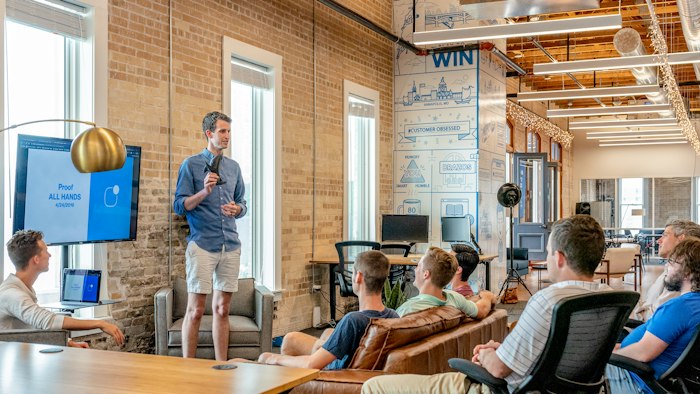
Improves employee satisfaction, enhances collaborative synergy, and builds psychologically safe workplace cultures.
 PRACTICE
Analyze behavioral patterns, support professional talent development, and design evidence-based organizational strategies.
 TRENDS
Optimizing hybrid work cultures, advancing authentic equity and inclusion, and building resilient corporate leadership teams.
Explore key theories and models in organizational psychology that explain human behavior, motivation, leadership and workplace dynamics.
 DRIVE THEORY
Analyze foundational human drive systems, Herzberg's two-factor motivation, and self-determination dynamics in workplace performance.
 LEADERSHIP
Explore transformational leadership styles, behavioral contingency theories, and situational trait frameworks that empower teams.
 SYSTEMS THEORY
Understand modern systems theory, organizational culture paradigms, and person-organization fit models for structural success.
 WORK ENGAGEMENT
Assess job characteristics models, affective events theory, and organizational equity metrics that drive high employee engagement.
Understand personality, strengths and work preferences to make better hiring decisions, build stronger teams and align the right talent with the right roles.
 TRAIT MODEL
Assess core OCEAN traits—Openness, Conscientiousness, Extraversion, Agreeableness, and Emotional Stability—to predict job performance.
 TYPE THEORY
Explore 16 psychological types to optimize interpersonal communication, resolve team friction, and enhance leadership agility.
 TALENT FIT
Identify signature individual strengths to unlock personal potential, prevent employee burnout, and foster sustainable engagement.
 ROLE MATCH
Align natural traits and cognitive tendencies with specific job requirements to maximize retention, satisfaction, and productivity.
 BEHAVIOR
Map essential workplace behaviors including stress response, emotional resilience, decision speed, and cross-team collaboration.
 TEAM SYNERGY
Analyze cognitive diversity and behavioral compatibility to build well-balanced, high-performing, and psychologically safe teams.
 LEADERSHIP
Evaluate strategic thinking, empathy, and influence to identify executive potential and guide targeted leadership development.
Explore key areas that drive, support and sustain employee motivation in the workplace.

Goal-setting mechanisms, self-determination drivers, and intrinsic workplace ambition.

Strategic merit appreciation, tangible rewards, and culture-wide recognition programs.

Structured career paths, ongoing professional upskilling, and executive mentorship.

Decisional discretion, flexible project ownership, and trust-centered leadership.

Psychological safety, open communication channels, and team purpose alignment.
Explore key areas to improve communication, resolve conflicts and build a positive workplace.

De-escalation protocols and collaborative mediation.

Transparent dialogue and assertive interpersonal skills.
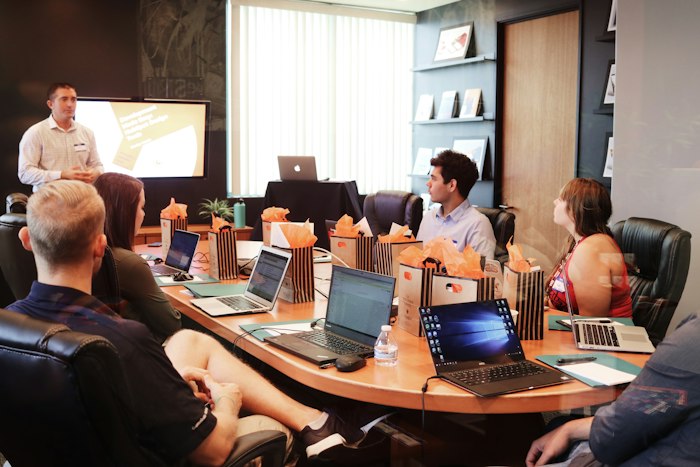
Principled negotiation and win-win consensus frameworks.

Neutral facilitation and constructive dispute resolution.

Psychological safety and cross-functional team integrity.
Explore key areas to build a more inclusive, equitable and respectful workplace.

Multicultural engagement and inclusive hiring cultures.

Cognitive heuristics and bias disruption in leadership.
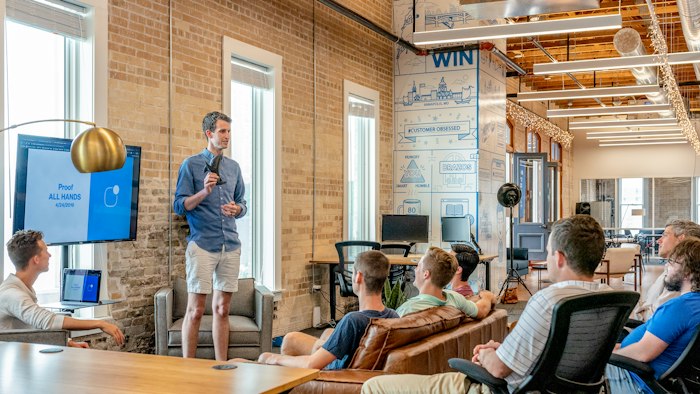
Structural compliance and equitable organizational policy.

Fair promotion ladders and transparent compensation.

Belonging initiatives and respectful community spaces.
Explore key areas that support a healthier, happier and more productive workplace.

Holistic health practices and stress mitigation at work.

EAP accessibility and psychological first-aid programs.

Flexible boundaries and boundary-respecting management.

Micro-breaks, somatic calm, and mindful focus rituals.

Workload optimization and sustainable cognitive stamina.
Explore how psychological principles explain consumer behavior, subconscious buying heuristics, persuasion frameworks, and evidence-based growth strategies.

 CONSUMER COGNITION
Explore how prospective buyers perceive value, process emotions, navigate cognitive heuristics, and form lasting attachments to brands.
 STRATEGIC PLAYBOOK
Apply psychological heuristics to optimize messaging clarity, value proposition framing, and high-impact omnichannel brand positioning.
 INFLUENCE SCIENCE
Leverage Cialdini's foundational principles of influence and choice architecture to systematically reduce friction and boost conversions.
 TACTICAL EXECUTION
Master practical neuromarketing techniques, persuasive copy patterns, color psychology, and post-purchase reassurance habits that build brand loyalty.
Evidence-based assessment packs, workplace well-being toolkits, and leadership training resources.
Standardized Big-Five & MBTI evaluation sheets, candidate interview scoring matrices, and role alignment rubrics.
Step-by-step de-escalation protocols, consensus scripts, and conflict resolution exercises for managers.

Scientific burnout assessment survey, work-life balance checklists, and team wellness intervention strategies.

Evidence-based goal setting blueprints, OKR motivation alignment, and transformational leadership behavior guides.
Evidence-based workplace insights covering burnout prevention, psychological safety, executive leadership, and team dynamics.
Employee Wellness
Why self-care apps fail when workloads and cultures remain unaddressed, and how industrial psychologists diagnose exhaustion.
 Team Dynamics
Amy Edmondson's foundational research on interpersonal risk-taking and why safe teams innovate rapidly without fear of failure.
 Change Management
How cognitive biases trigger resistance during corporate transformations and strategic methods to build transparent trust.