
Therapy & Skills
Cognitive Behavioral Therapy (CBT)
Learn. Understand. Apply.
A practical, evidence-based approach to help you identify and change unhelpful thoughts, improve emotions, and build healthier behaviors.
psychology Cognitive Restructuring
bolt Behavioral Activation
task_alt Evidence-Based Model
1
psychology
What is CBT?
Cognitive Behavioral Therapy (CBT) is a structured, goal-oriented therapy that helps you identify and change unhelpful thoughts, emotions, and behaviors.
tune
Structured, Collaborative & Action-Oriented
videocam Video Lesson
Watch: Introduction to CBT (5:24)
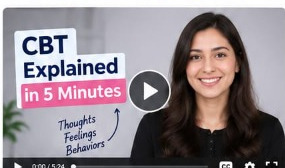
0:00 / 5:24
subtitles
settings
fullscreen
“
It's not about thinking positively all the time, but about thinking more accurately.
— Aaron T. Beck
♡
2
track_changes
Why is it Important?
- check_circle Helps reduce anxiety and depression
- check_circle Builds healthier thinking patterns
- check_circle Improves problem-solving skills
- check_circle Increases self-confidence
Empowers clients with life-long self-help skills.
3
lightbulb
Key Concepts
psychology
Thoughts
What you think
favorite
Feelings
How you feel
directions_run
Behaviors
What you do
The Cognitive Triangle: Thoughts, Feelings & Actions
4
settings
CBT Model
Thoughts
➔
Feelings
➔
Behaviors
All three are connected and influence each other.
Intervening at any node creates positive ripple effects.
5
build
Main Techniques
- Cognitive Restructuring – challenge negative thoughts
- Behavioral Activation – do more positive activities
- Exposure Therapy – gradually face fears
- Problem-Solving – find practical solutions
science
Targeting beliefs and avoidance simultaneously
6
description
Simple Example
Situation:
You make a mistake at work.
Thought:
“I'm not good enough.”
Feeling:
Anxiety, low mood.
Behavior:
Avoid tasks.
New Thought:
“Everyone makes mistakes. I can learn.”
Cognitive reframing in action
7
checklist
Applications
- check_circle Anxiety disorders
- check_circle Depression
- check_circle Stress management
- check_circle Phobias
- check_circle Everyday life challenges
spa
Better
Choices
Brighter
Days ♡
Broad clinical efficacy across adult & adolescent populations.
8
bar_chart
Benefits
- check_circle Evidence-based and effective
- check_circle Builds practical skills
- check_circle Empowers you to make changes
- check_circle Useful for many mental health conditions
High remission rates in short-term protocols.
9
error
Limitations
- check_circle May not be suitable for everyone
- check_circle Requires active participation
- check_circle Can be challenging at first
- check_circle Works best with a trained professional
Requires client readiness for homework & tracking.
10
assignment_turned_in
Key Takeaways
- check_circle Thoughts, feelings, and behaviors are connected.
- check_circle Unhelpful thoughts are not always facts.
- check_circle You can challenge and reframe negative thoughts.
- check_circle CBT builds practical skills for real life.
- check_circle Small changes in thinking can lead to big results.
Empirical validity across decades of research.
11
quiz
Practice Questions
1. In CBT, what influences how we feel?
Test your full CBT conceptual knowledge
Try 5 More Questions arrow_forward
BEST SELLER
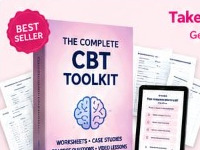
Take Your Learning Further
Get the Complete CBT Toolkit
- ✓ In-depth video lessons
- ✓ Step-by-step techniques
- ✓ Real-life case studies
- ✓ Worksheets & exercises
- ✓ 100+ practice questions
- ✓ Downloadable PDFs
- ★ Bonus: Audio lessons & quick revision sheets
Practical Tools for
Real Change ♡
lock_open
Instant Access
schedule
Study at Your Own Pace
print
Printable Materials
school
Use for Study or Practice